Soju and sake often appear side by side on menus, inviting comparison simply by proximity. They share geographical roots and a natural affinity with food, but the resemblance stops there. These are two distinct expressions of culture—shaped by different histories, techniques, and philosophies around how a drink should accompany a meal.

Soju began in Korea as a modest rice spirit: straightforward, unpretentious, and closely tied to everyday dining. Over generations, distillers experimented with barley, wheat, sweet potato, and other bases, refining the profile into the clean, adaptable spirit recognized today.
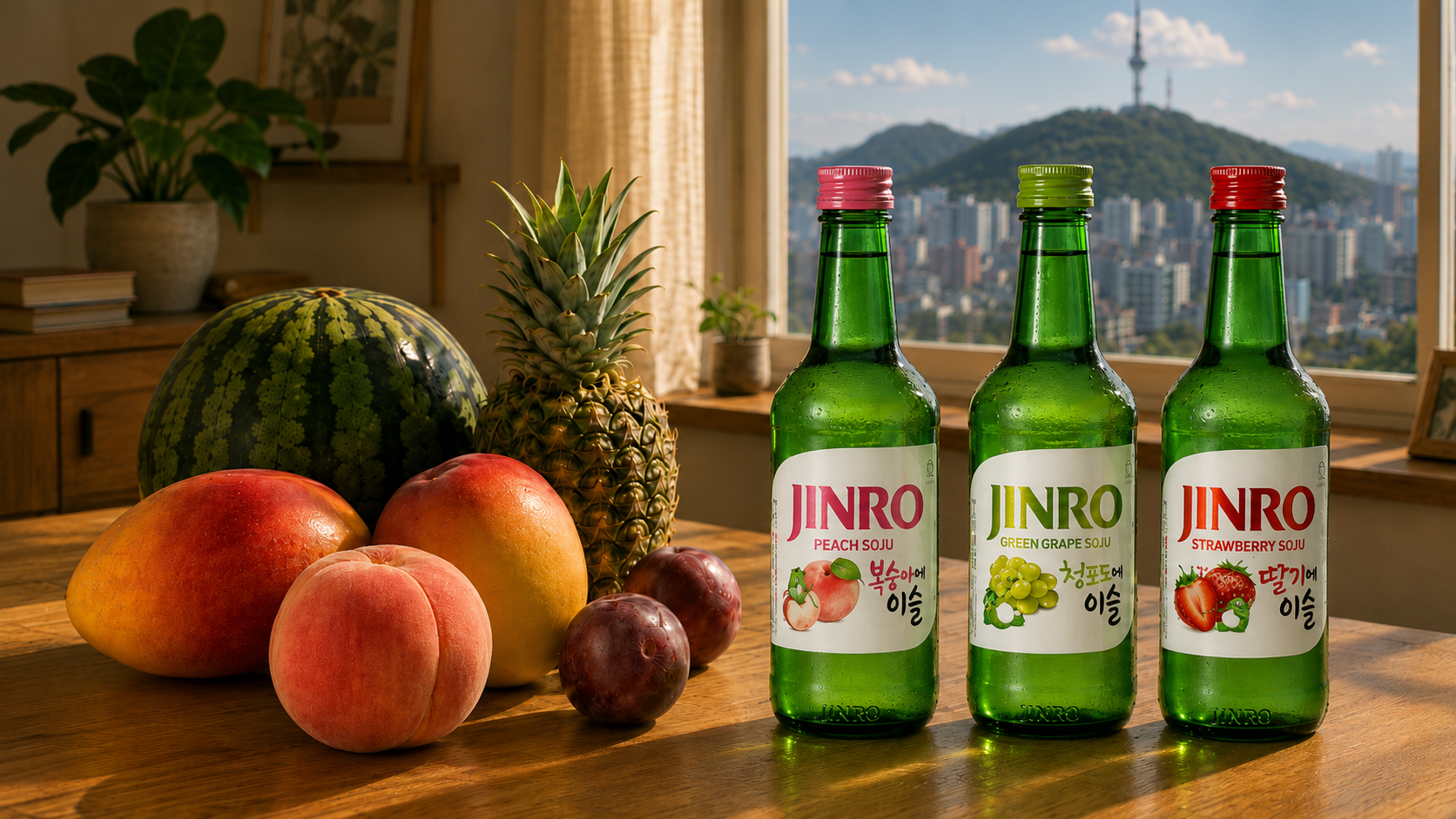
JINRO helped carry soju well beyond Korea’s borders. That familiar green bottle now sits comfortably in cities around the world, valued not for flash or theatrics, but for how naturally it integrates into real life.
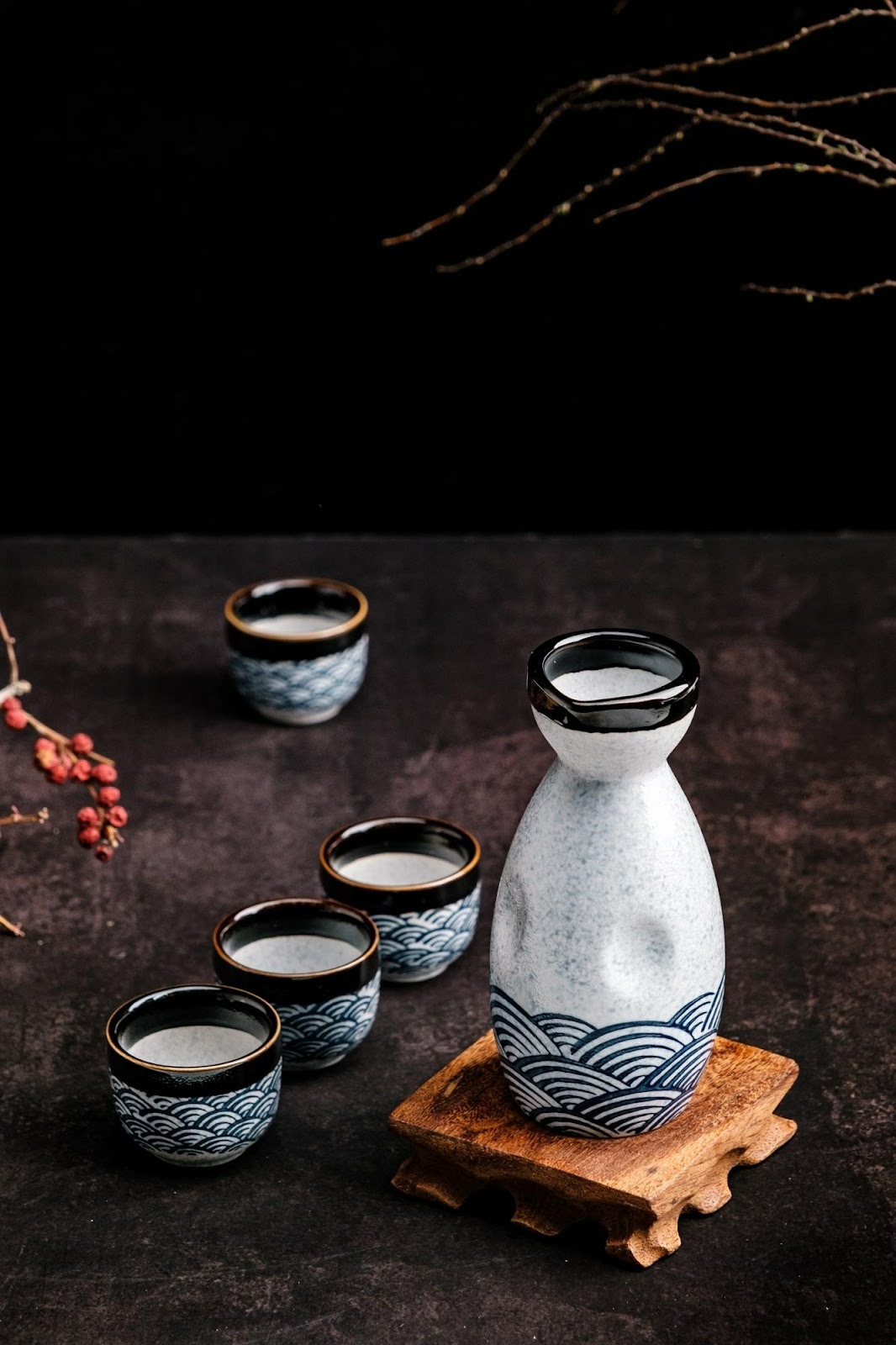
Sake follows a different path: one defined by precision. Brewed rather than distilled, it has been shaped by centuries of rice cultivation, polishing methods, koji fermentation, and time-honored craftsmanship. Every step is intentional, often practiced with a quiet reverence.
Where soju aligns with ease and spontaneity, sake reflects deliberation and ritual.
The distinction begins with technique:
Soju is distilled. Distillation removes heaviness, leaving clarity and a subtly sweet finish. JINRO’s signature style is crisp and featherlight: something that can be enjoyed without slowing the pace of a meal.
Sake is brewed. Like beer or wine, fermentation allows complexity to develop naturally. Its flavors shift with temperature, glassware, and setting.
Soju: Effortless, Approachable, Universally Familiar
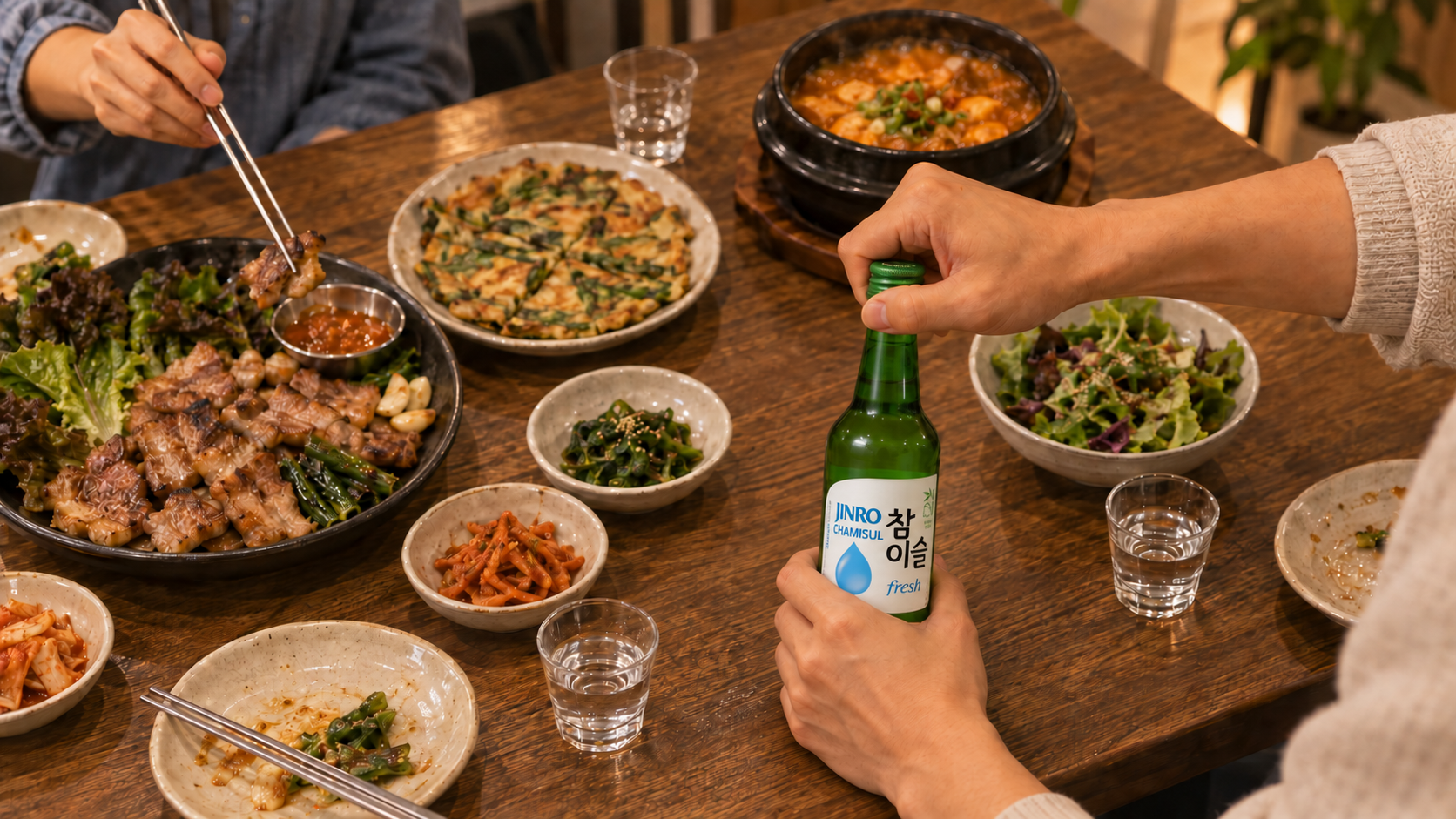
There's a reason JINRO works for basically everyone. It's lightly sweet without being sugary, smooth without being bland, and cold without being harsh. You can pair it with Korean BBQ, pizza, Thai food, or literally whatever's in your fridge, and it just works.
Sake: Layered, Thoughtful, and Exceptionally Variable
Sake wants you to pay attention. Depending on what you order, you might taste melon, you might taste rice, you might taste something floral you can't quite name. Some sake is served ice-cold, some is warmed to body temperature. The experience changes completely based on those choices.
For those who are curious, the numbers do differ slightly. Soju typically contains around 60 to 80 calories per shot, while sake generally ranges from 80 to 150 calories per serving, depending on its style and the degree of rice polishing.
Soju: For Everyday Moments
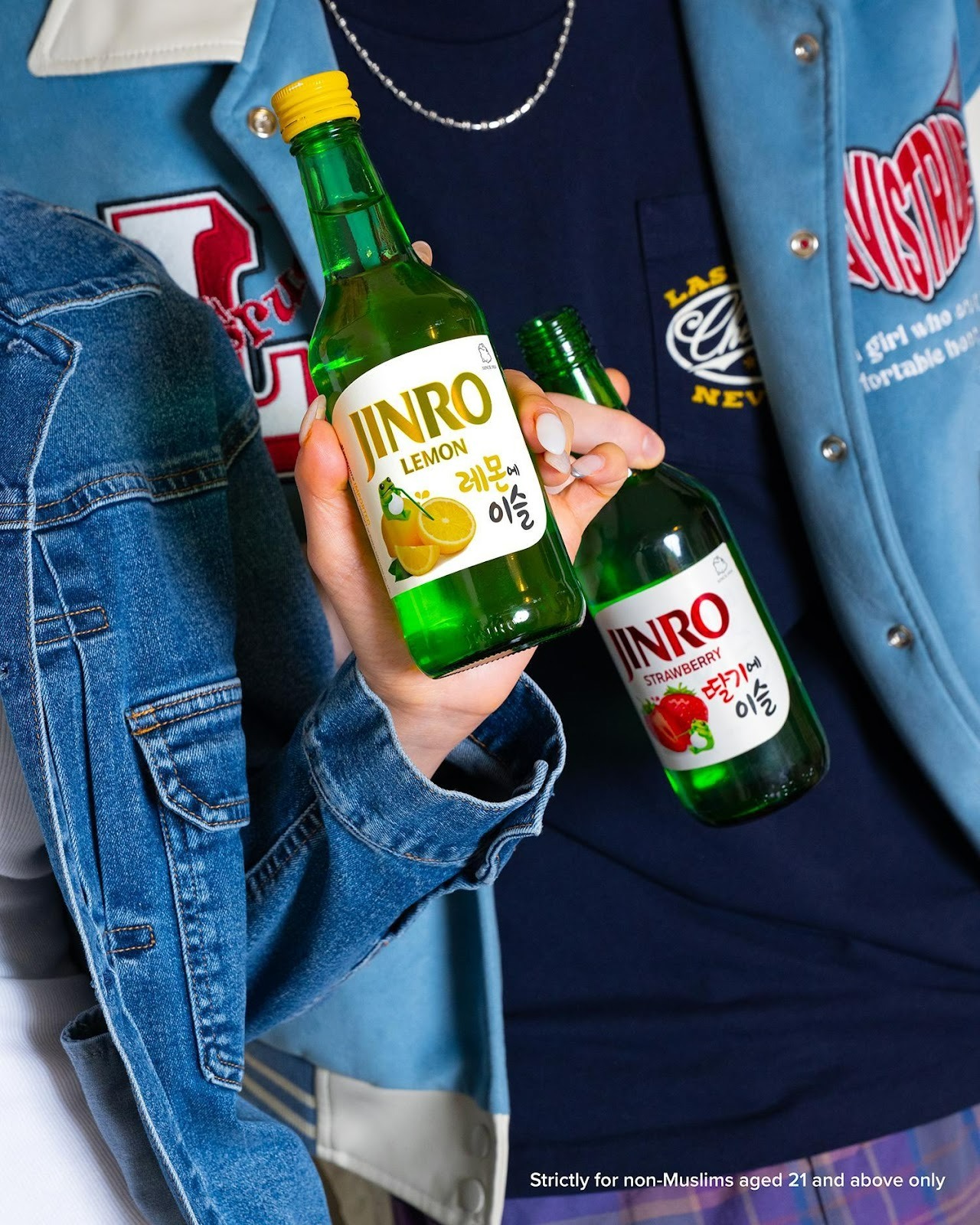
Soju slips naturally into daily life: casual dinners, after-work gatherings, late-night snacks, or simply a cold bottle waiting in the fridge. It moves with the rhythm of ordinary moments, which is one reason JINRO remains the world’s No. 1 best-selling spirit brand.
Sake: For Considered Evenings
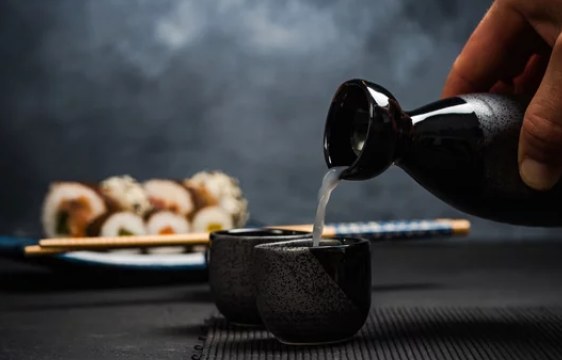
Sake belongs to moments that invite a bit more intention: when the meal is thoughtfully prepared or the evening feels unhurried. Its nuance elevates even simple occasions, without tipping into formality.
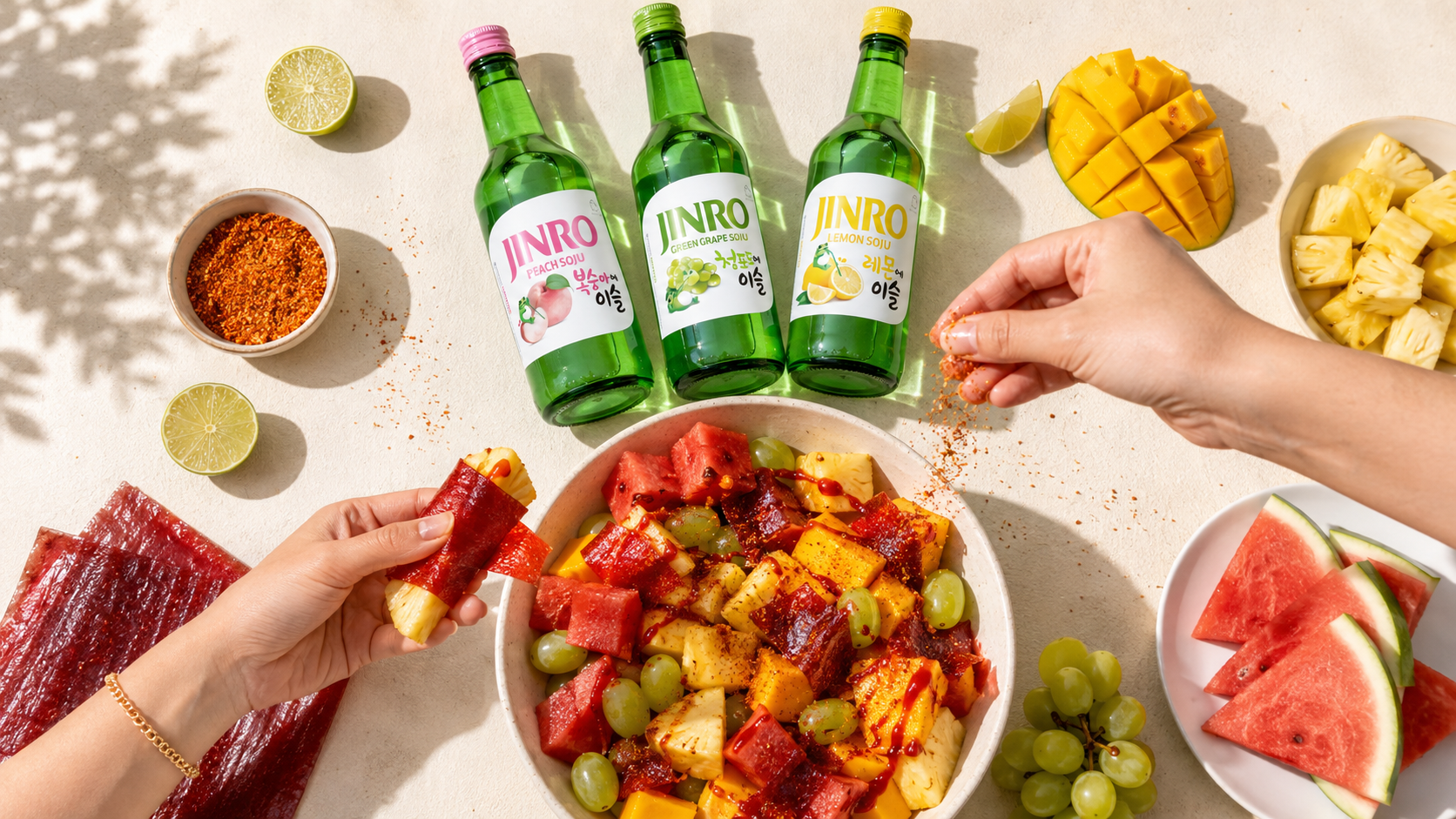
As shown in our SojuAnju series, the beauty lies not in complexity but in approachability.
Here are a few foods that pair effortlessly with JINRO Soju:
Choose soju if you want a spirit that adapts naturally: something that sits in your fridge, ready for a spontaneous gathering or a quiet night at home. It’s light, smooth, and effortlessly versatile.
Choose sake if you enjoy nuance: if you like noticing temperature shifts, subtle aromas, and the craftsmanship behind each style. Sake rewards curiosity with depth and character.
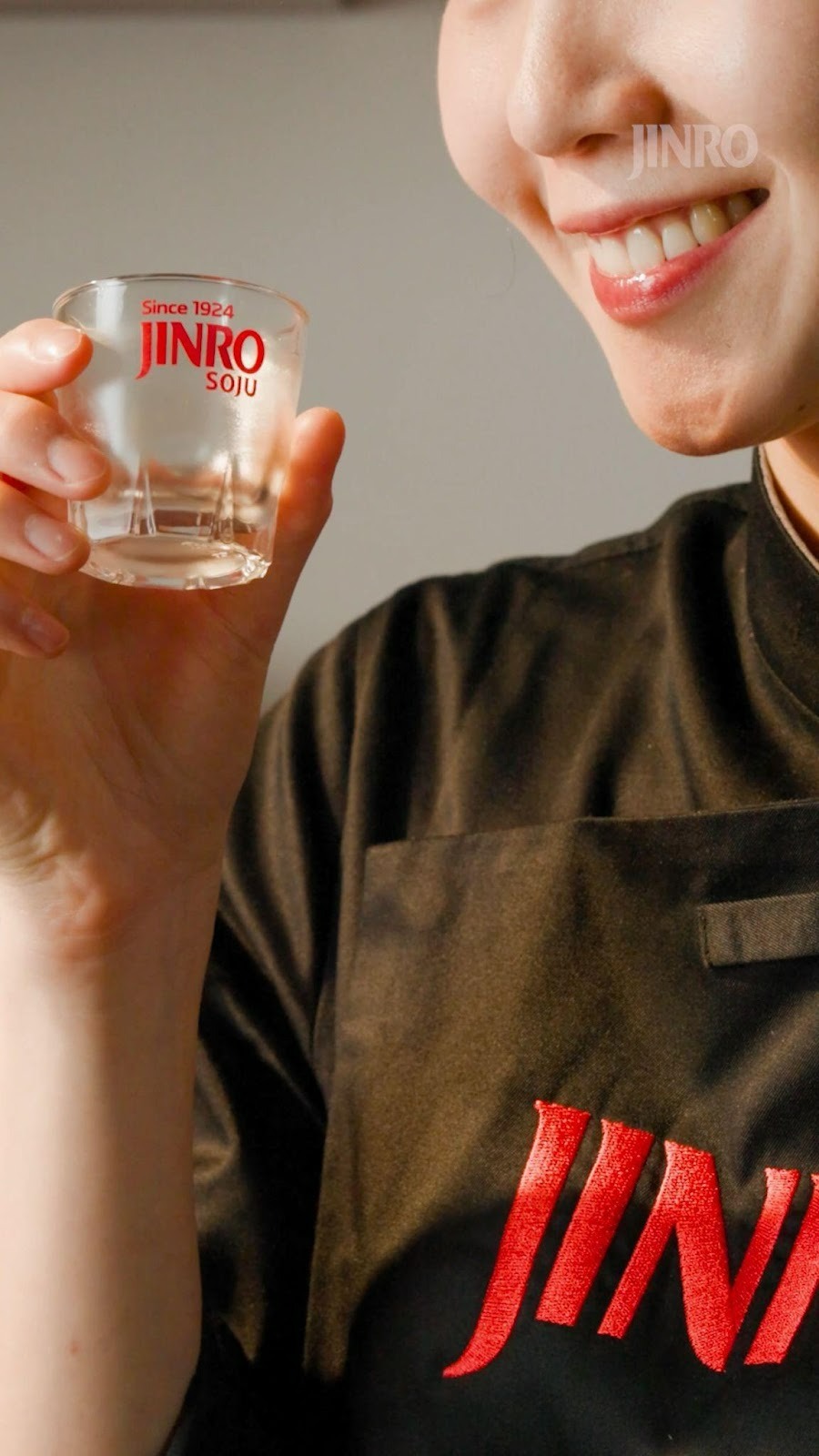
Soju and sake each offer their own strengths, but if you’re looking for something light, modern, and genuinely versatile, JINRO Soju remains the global favorite for a reason. Its smooth, approachable character pairs effortlessly with everything—from simple snacks to full meals—making any moment feel easier, warmer, and more enjoyable.
For more snack ideas and easy pairing inspiration, explore JINRO’s SojuAnju series on our global YouTube channel, or follow our updates on Instagram, Facebook, Youtube, TikTok.