You know that moment when you're pouring soju with friends and someone asks, “Why is this bottle green anyway?” And you're like... huh, good question? Well, buckle up because the answers are actually way more interesting than you'd think.


Plot twist: soju bottles weren't always green!
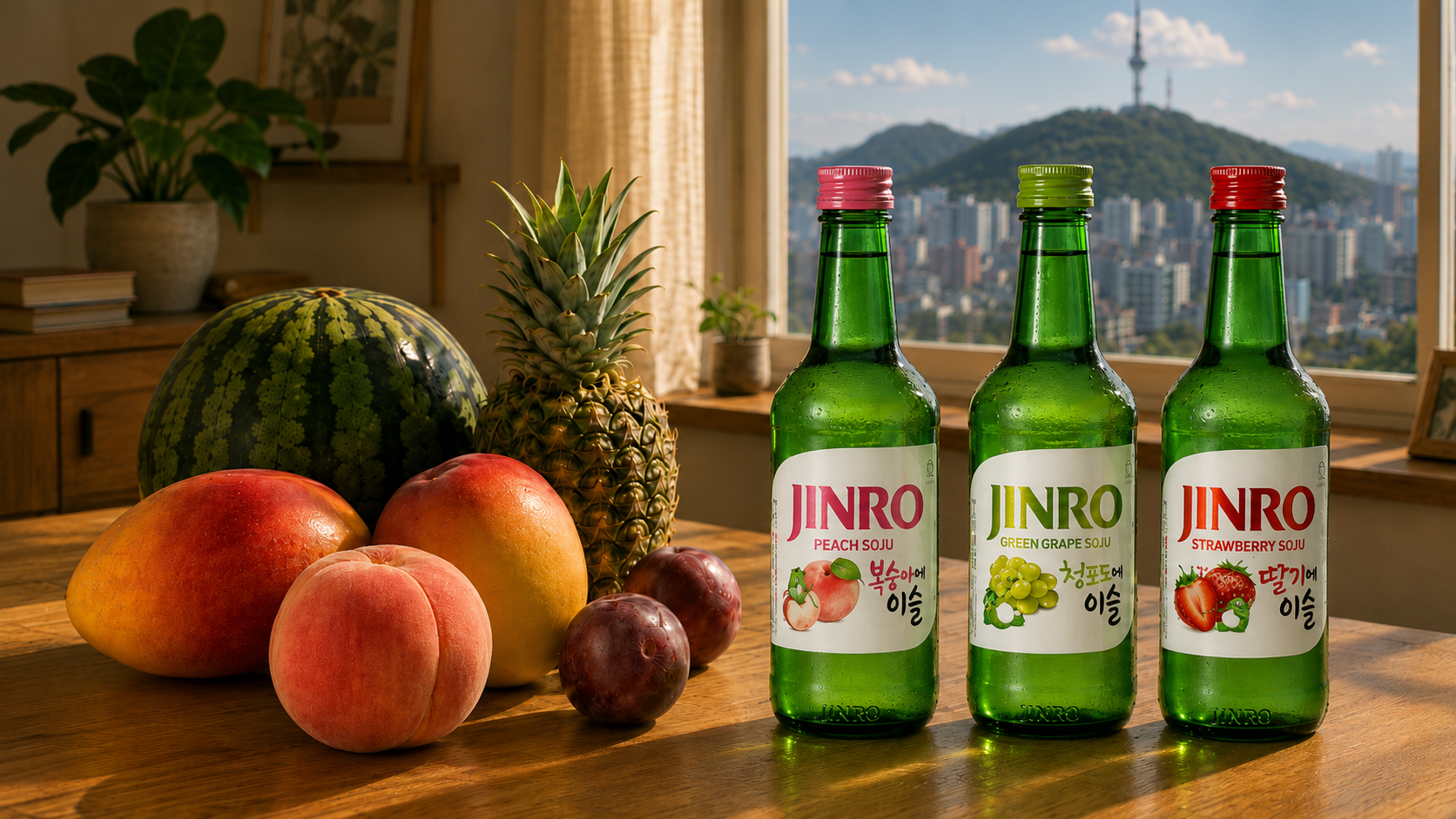
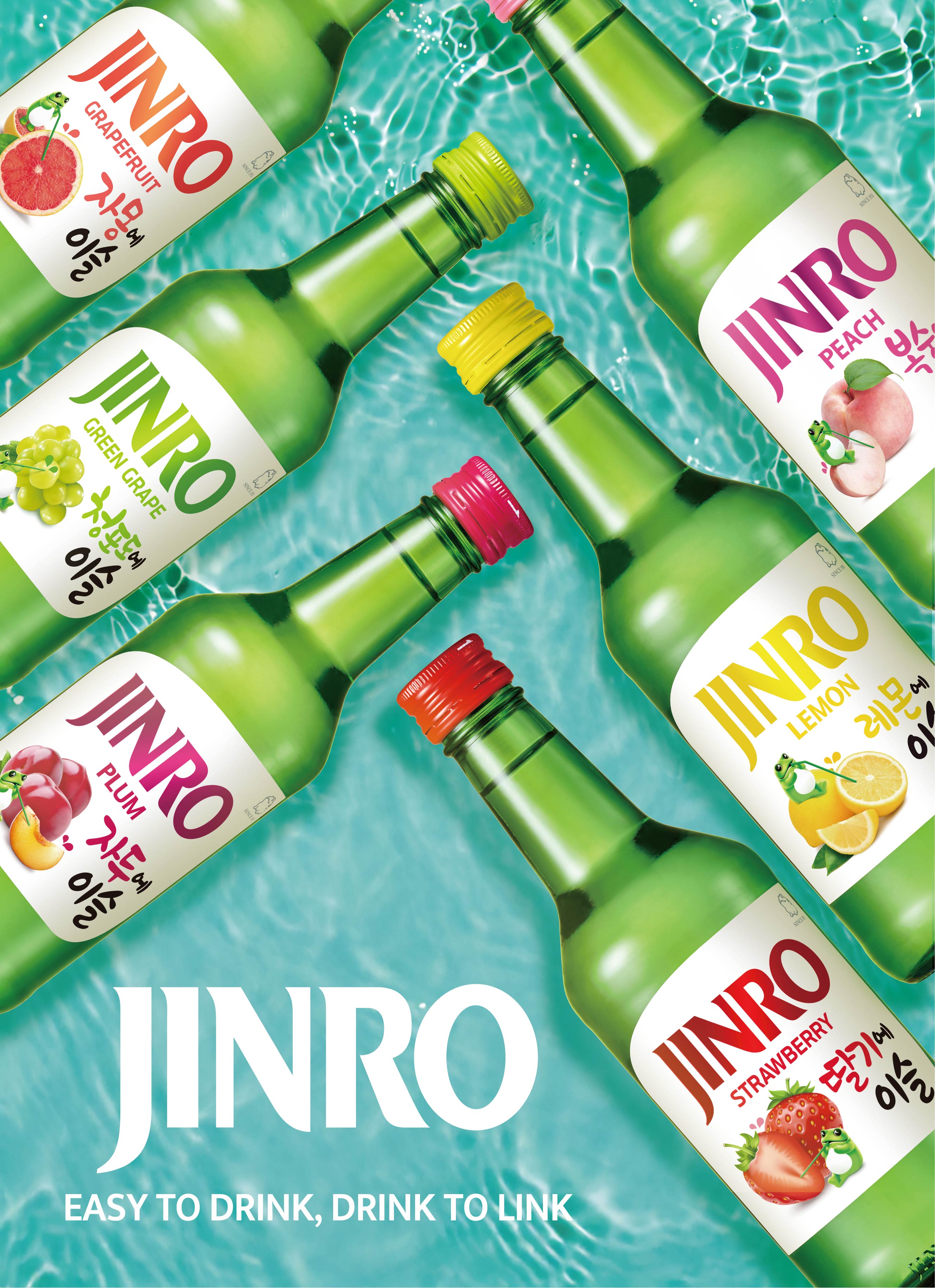
Back in 1994, one major producer introduced green bottles to signal a cleaner, smoother image for soju. Before that, soju came in all sorts of bottles—brown, white, blue, you name it. But the producer chose green specifically to advertise that their soju had a clean and mild taste. And honestly, it was genius marketing.
By 1999, “green soju” had captured 30% of the entire Korean soju market. Everyone else in the soju game saw those numbers and thought, “Yeah, we need green bottles too.”
But here's where it gets really cool. In 2009, seven major soju companies, including big names like HiteJinro and Lotte Chilsung Beverage, made a voluntary agreement to all use the same green bottle design. The goal was to make recycling super easy and efficient. Empty bottles get collected from restaurants and individuals, and you can even sell them back to soju makers for $0.02 to $0.06 won per bottle.
The results have been incredible. In 2020, an incredible 97.9% of soju bottles were collected, making it one of the highest recycling rates for any beverage container in the world.
What began as a marketing decision eventually became one of Korea’s most successful recycling systems.
Okay, this one is wild.
When JINRO started back in 1924, they weren't using a toad at all. The original mascot was actually a monkey because monkeys symbolized intelligence and luck in Asian cultures.
But then everything changed in 1954. Due to the Korean War, JINRO established a new brewery in South Korea and realized they needed a mascot that would resonate better with people across different Korean regions. Enter: the toad.
Toads in Korean culture represent prosperity, longevity, good fortune, and even fertility. In mythology, toads were believed to bring rain, which aligned perfectly with JINRO's mission of bringing joy and prosperity to its customers. The switch was to connect deeply with Korean cultural values that everyone could relate to.
Now that little guy has been hopping on JINRO bottles for 70 years, quietly wishing you good fortune every time you share a bottle. And as JINRO expanded to over 80 countries, that toad went from a local Korean symbol to a global icon of Korean culture and craftsmanship.

Ever feel like soju glasses are ridiculously small? They hold around 50ml. That's barely two tablespoons! But there's actually a really sweet reason behind it.
In Korean drinking culture, you almost never pour your own drink. It's all about pouring for each other. Those small glasses empty fast, which means you're constantly reaching over to fill up your friends' glasses, and they're doing the same for you. The size literally encourages moderation and frequent toasts throughout the night.
It sounds simple, but think about it. Every time someone fills your glass, they're basically saying, “Hey, I'm paying attention to you. I've got you.” And when you do it back, you're returning that care. It transforms drinking from a solo activity into this continuous exchange of looking out for each other.
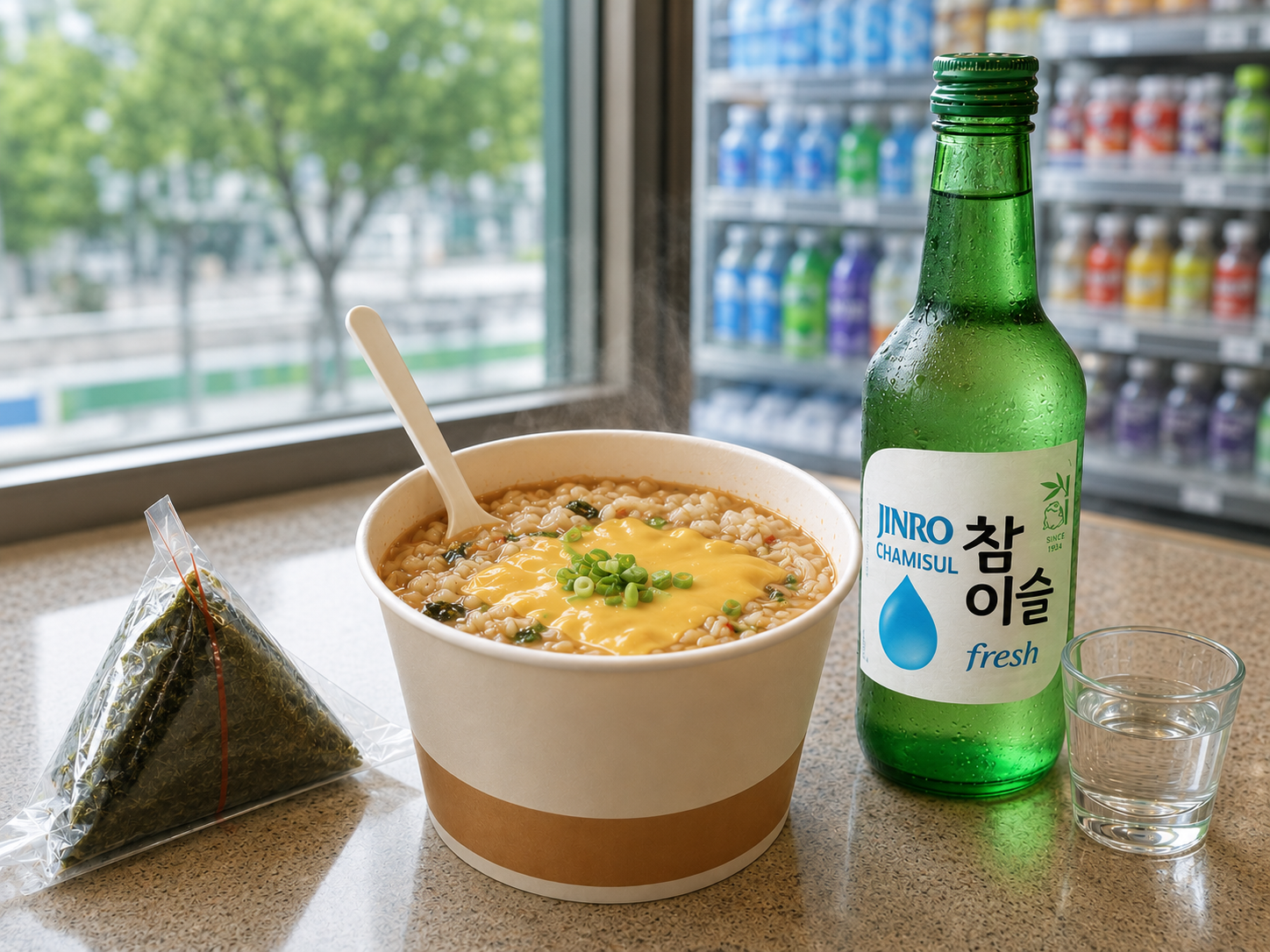
Many cultural observers have noted how uniquely soju is enjoyed alongside meals in Korea. And those tiny glasses are a huge part of why it works. The small portions keep the alcohol content manageable when mixed with beer, bringing it down to around 10%, allowing the focus to stay on conversation, food, and togetherness.
It's a pretty genius way to keep people connected. Those tiny glasses are basically friendship fuel disguised as drinkware.
The Takeaway
Next time you're out with friends and the green bottles start coming out, you've got some solid trivia to drop. The 1994 marketing move that became a recycling miracle with a 97.9% collection rate. The toad that replaced a monkey when JINRO needed to connect with all of Korea. The tiny 50ml glasses that turn every pour into a gesture of friendship.
Every detail—from the bottle color to the mascot to the glass size—tells a story about innovation, culture, and connection.
Every detail—from the bottle color to the mascot to the glass size—tells a story about innovation, culture, and connection.
For more stories about JINRO, follow our updates on Instagram, Facebook, Youtube, TikTok.