Every year, brands try to outdo one another on April 1st. But this year, the execution felt sharper, the ideas felt more believable, and the reactions were stronger. In many cases, the campaigns worked not simply because they were funny, but because they tapped into products and trends people would actually want. That is what made this year's April Fools' content especially effective.
Among the many campaigns released this year, four stood out in particular for how convincingly they combined humor, strong visual execution, and sharp audience insight.
Nissin introduced a fictional heatless curling concept inspired by Cup Noodles, built around the idea of creating noodle-like curls without heat. The campaign shared on social media was playful, but polished enough to feel like a real beauty launch — complete with flexible foam rods colored to look like ramen noodles and a setting spray called "Broth Boost Finishing Mist."
What made it work was how closely it aligned with an existing beauty trend. Heatless styling tools are already familiar to many consumers, so the concept felt believable rather than random. That balance between humor and plausibility is what made the campaign so effective.
Dyson presented a fictional beauty range for pets, using the same sleek visuals and premium tone that define its real product campaigns. The video shared on their social channels featured styled dogs, cats, and even horses in a film that looked almost indistinguishable from an actual launch.
The idea landed because it felt surprisingly plausible. Dyson already occupies such a premium and highly specific space that a pet-focused extension did not feel entirely impossible. That sense of "this could almost be real" helped the campaign travel quickly across social media.
Not every brand used April Fools' Day in the same way. Some took the opposite approach, using the day not to introduce a fake idea, but to launch something real at a moment when audiences were least likely to believe it. That reversal made the message even more effective.
Yahoo introduced the Scrōll Stoppr, a small weighted ring designed to make scrolling more difficult. At first glance, it looked exactly like an April Fools' joke. In fact, it was a real product sold through TikTok Shop for a limited time — priced at $4.99 and shipped in a box that plays the classic Yahoo yodel when opened.
That decision made the campaign memorable. On a day when audiences expect everything to be fake, a real product can draw even more attention simply because people hesitate to believe it. Yahoo used that tension well, turning disbelief into part of the campaign itself.
Dunkin' once again avoided the usual fake-product formula and instead offered a real giveaway. On April 1st, Rewards members could redeem the code "StillNotAJoke" in the app for a free coffee, continuing last year's strategy with one small twist: this time, the total number was 1,000,001.
The idea was simple, but effective. Rather than competing through exaggeration, Dunkin' used the timing itself as the message. On April Fools' Day, even a real promotion can feel suspicious enough to spark conversation.
JINRO also joined this year's April Fools' conversation — but with a slightly different approach. Rather than ending with a joke, the brand used the format to lead into a real product reveal.
On April 1st, JINRO's global account shared an April Fools' reel built around a bold new flavor idea. The post tapped into the viral buzz already surrounding Ube, which made the concept feel more timely than random. At first glance, it had the familiar energy of an April Fools' tease — playful enough to feel questionable, but specific enough to make people curious.
What made the campaign stronger was the reveal that followed. While the reel leaned into April Fools' humor, it also contained a real hint: JINRO Melon, which was officially announced two days later on April 3rd as JINRO Melon Limited Edition. By placing a real launch inside an April Fools' format, JINRO created a reveal that felt both surprising and well-timed.
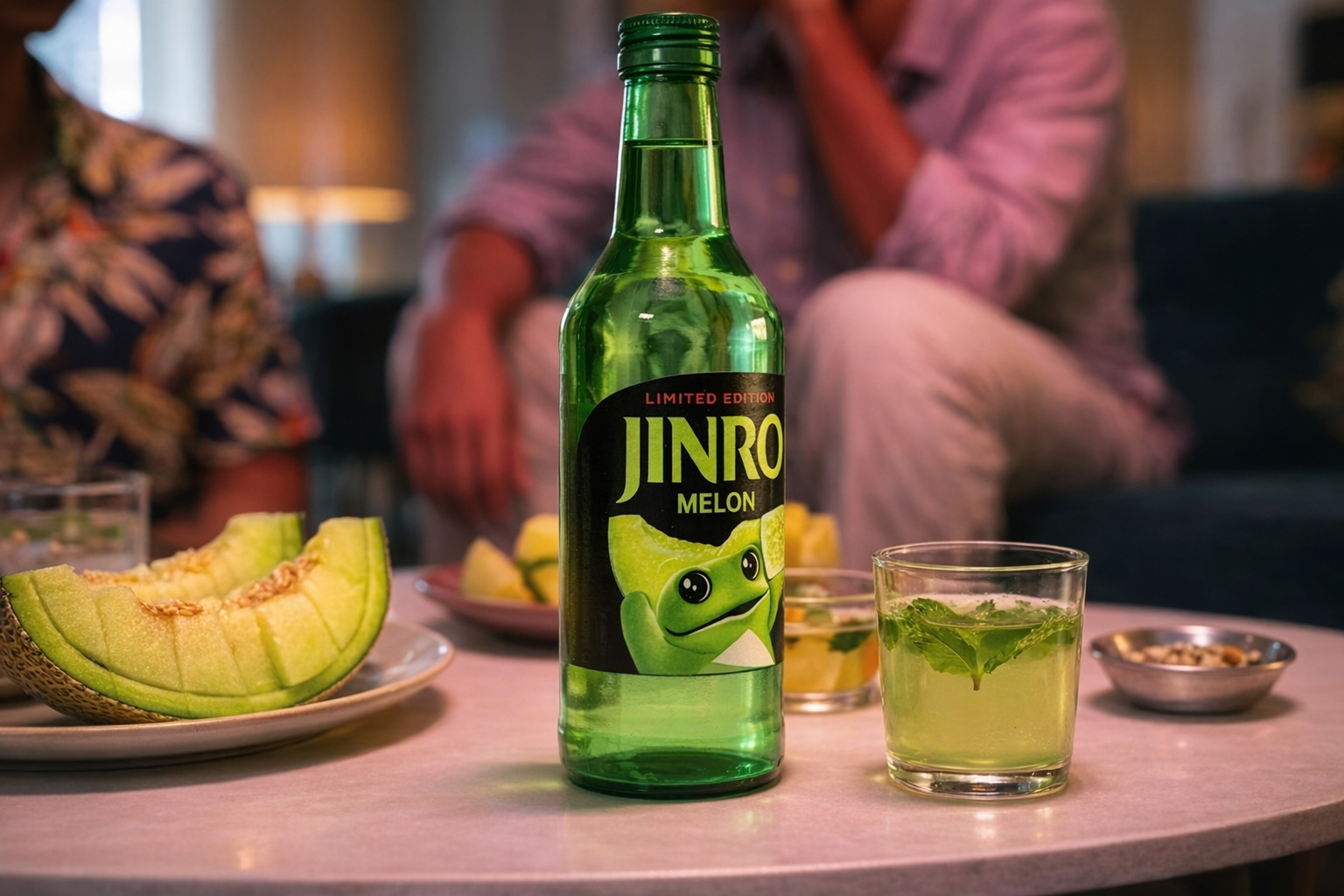
Curious about the full JINRO Melon Limited Edition launch? Read more about it here.
This year's April Fools' campaigns were at their best when they felt just believable enough to make people stop and look twice. From Nissin's beauty-inspired joke to Dunkin's very real giveaway and JINRO's hidden product reveal, the strongest campaigns were the ones that blurred the line most effectively.
What was the funniest brand campaign you came across this April 1st? Did you try to claim Dunkin' before the codes ran out, or did the JINRO reel catch you off guard for a moment? Tell us on JINRO's socials, and follow JINRO to keep up with more from the brand on Instagram, Facebook, and YouTube.
Disclaimer: This content is intended for readers of legal drinking age. We celebrate JINRO Soju's cultural significance and encourage exploring its flavors responsibly. Please drink in moderation and never drink and drive.
Discover more about JINRO on social media: Instagram, Facebook, YouTube.